
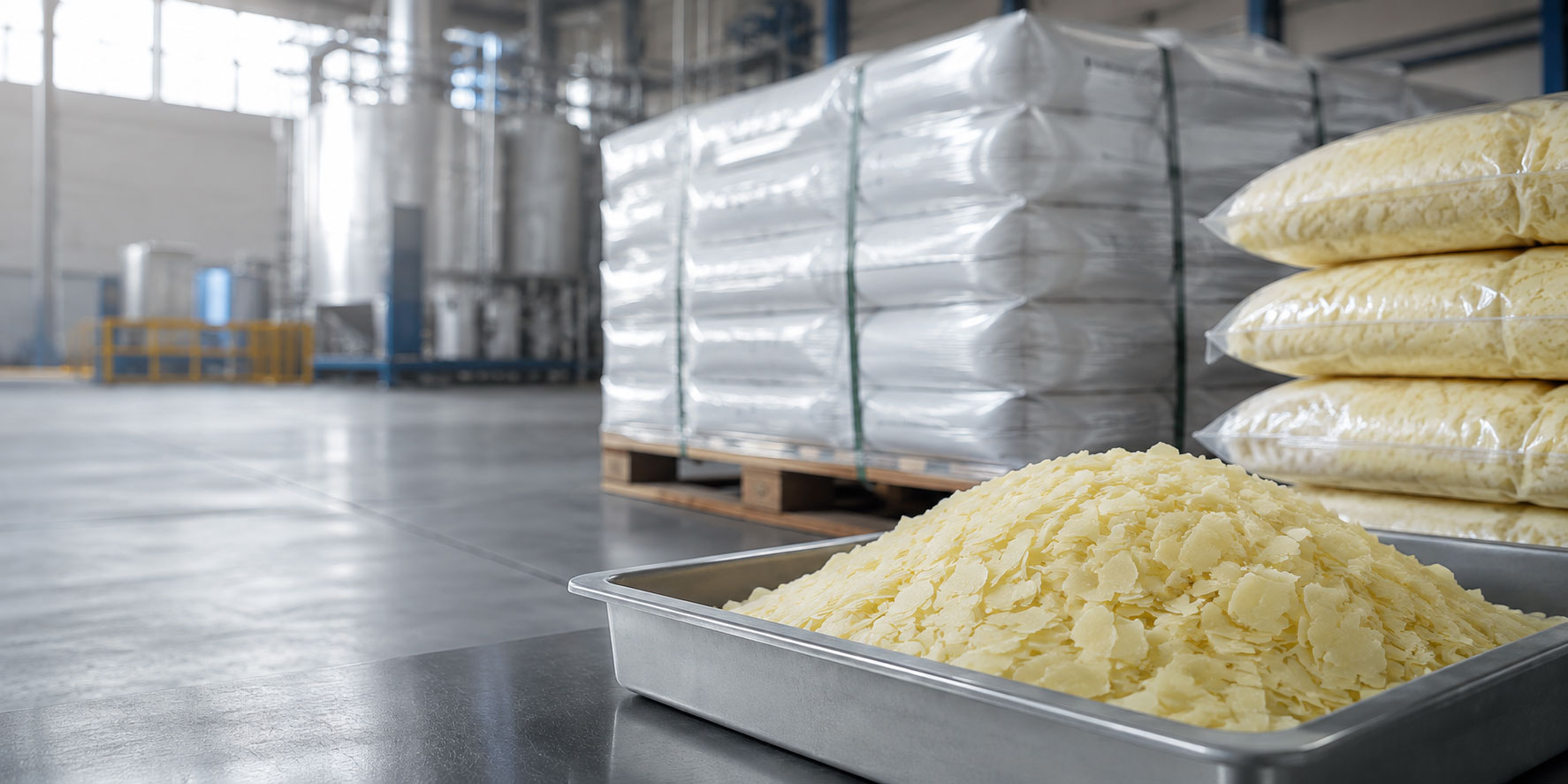
What is sodium sulfide, and why does it appear in so many industrial processes? Sodium sulfide (Na₂S) is an inorganic sulfide salt used where strong alkalinity, reactive sulfide species or reducing action is useful. In industrial markets it is commonly supplied in hydrated solid forms, including flakes, rather than only as anhydrous Na₂S. Sodium sulfide uses include leather processing, mineral flotation, kraft pulping, sulfur dyeing, heavy-metal precipitation in wastewater and chemical manufacturing.
For technical buyers, the important question is not only what the compound is. Product form, active Na₂S assay, iron content, impurities, packaging, batch documentation and handling conditions can all affect suitability. This guide explains the broad industrial picture, while the linked specialist pages cover topics such as 60% flakes, specifications, storage and safety in more depth.
What Is Sodium Sulfide? Identity and Basic Chemistry
Sodium sulfide has the formula Na₂S. The anhydrous compound is identified by CAS 1313-82-2 and has a molecular weight of about 78.05 g/mol. The spelling sodium sulphide is also widely used in international trade, while disodium sulfide is another systematic name encountered in regulatory and technical databases.
In water, sodium sulfide creates strongly alkaline sulfide solutions. The chemistry is pH-dependent: sulfide species can shift between S²⁻ and HS⁻ as conditions change. That behavior helps explain both the material’s industrial usefulness and its safety constraints. Buyers who need a direct comparison with NaHS can review our guide to sodium sulfide vs sodium hydrosulfide, while teams concerned about name confusion can use the sodium sulfide vs sodium sulfite vs sodium sulfate comparison before specifying material.
Commercial Forms and What 60% Sodium Sulfide Flakes Mean
Industrial sodium sulfide is often sold as hydrated flakes or other hydrated solid forms. A “60%” grade generally refers to the active Na₂S assay in the commercial material, with the balance including crystal water and other specified constituents. It should not be interpreted as 60% of a bag being anhydrous crystals plus an unspecified remainder.
Commercial hydrate composition can differ by grade and supplier, so one hydrate formula should not be assumed for every product. For example, a major European manufacturer describes its 60% flakes as a hydrated product containing about 40% crystal water. The practical purchasing rule is to verify the stated assay and physical form on the current TDS and confirm the batch result on the COA. Our dedicated guide to sodium sulfide 60% flakes explains this concentration question in detail.
Manufacturing route, concentration, crystallization and finishing influence the final commercial form. The question how is sodium sulfide made deserves a process-level answer; readers can continue to that dedicated overview, while the present pillar stays focused on what an industrial user needs to understand when evaluating the material.
Key Properties That Matter in Industrial Use
Several properties explain why Na₂S performs across very different sectors. It is readily incorporated into aqueous process chemistry, its solutions show high alkalinity, and it can act as a reducing agent or a source of reactive sulfide species. Those characteristics support reactions with metals, sulfur-containing dye systems and mineral surfaces.
The same reactivity also means storage and handling deserve careful control. Hydrated sodium sulfide can absorb moisture, and contact with acids can release hydrogen sulfide (H₂S), a highly toxic gas. Product behavior depends on form, concentration and site conditions, so plant procedures should be based on the supplier’s current SDS and the facility’s own EHS controls rather than on generic internet instructions.
Main Sodium Sulfide Uses in Industry
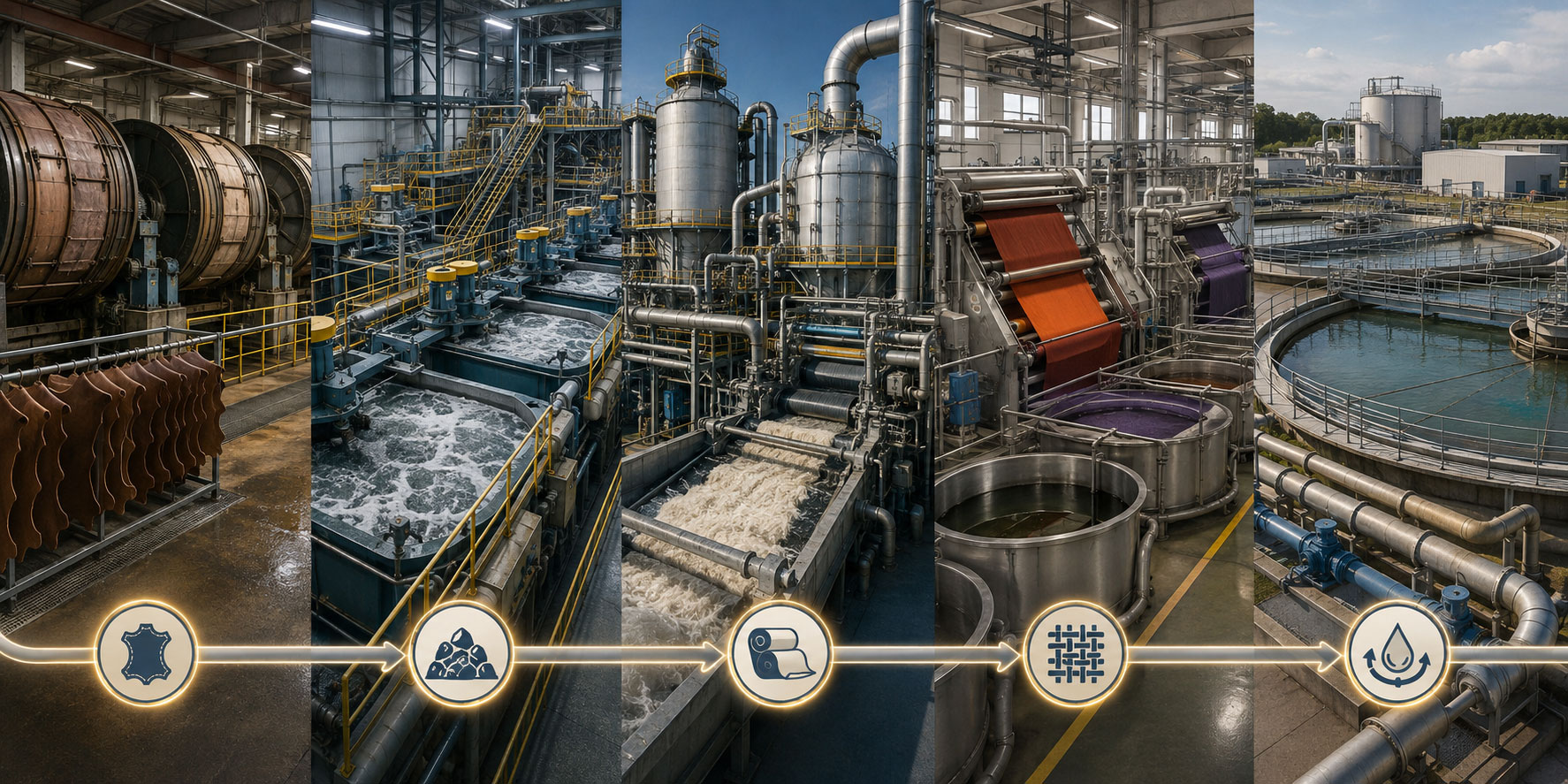
Na2S uses span operations where alkalinity, sulfide chemistry or reduction is required. The role is process-specific, so sodium sulfide should not be treated as a universal substitute for other sulfur chemicals. The main industrial applications include the following.
Leather processing
In tanneries, sodium sulfide is used in unhairing and liming systems, where sulfide chemistry helps break down hair and supports preparation of hides for subsequent processing. Grade selection can matter when buyers are sensitive to iron, appearance or downstream quality. Detailed application conditions belong in a leather-specific process guide rather than a general product overview.
Mining and mineral processing
In mineral flotation, sodium sulfide can be used as a sulfidizing reagent for certain oxidized copper, lead and zinc minerals. Its effect depends on ore mineralogy, pulp chemistry and reagent control; it is not a fixed-dose additive. For procurement, this means the required grade should be aligned with the plant’s validated flotation regime rather than selected from a generic dosage claim.
Pulp and paper
Sodium sulfide is part of kraft pulping chemistry, where sulfide species in white liquor contribute to delignification. The process context is highly integrated with alkali recovery and liquor chemistry, so a general Na₂S guide should identify the role without replacing mill-specific control parameters.
Textile and sulfur dyes
In sulfur dyeing, sodium sulfide has long been used as a reducing chemical that helps convert sulfur dyes into soluble forms that can interact with textile fibers. Dyehouse practice, wastewater management and alternative reducing systems are separate technical topics, but the core reason for use is its strong reducing and sulfide chemistry.
Industrial wastewater treatment
Sulfide can precipitate several dissolved heavy metals as low-solubility metal sulfides. Sodium sulfide is therefore used in some industrial wastewater treatment systems as a metal-precipitation reagent. Because pH, metal speciation and H₂S control are safety-critical, dosing and operating conditions must be established by qualified process and EHS personnel for the specific wastewater stream.
Chemical manufacturing
Sodium sulfide also serves as a chemical intermediate and reducing agent in the production or processing of sulfur-containing compounds and other industrial chemicals. In these applications, impurity limits and consistency may matter more than appearance alone because the reagent becomes part of a controlled reaction system.
Grade and Specification Variables Industrial Buyers Should Check
A label such as “60% flakes” is only the starting point. A useful sodium sulfide specification review typically considers the active Na₂S assay, iron content, relevant inorganic impurities, water-insoluble matter, physical appearance and packaging condition. Which parameter matters most depends on the process.
Iron is a good example. Flake color can provide a visual clue, but color by itself is not a quantitative specification. Buyers should compare measured Fe values and assay results on the COA against their approved limits. Our sodium sulfide yellow flakes vs red flakes guide explains why appearance and iron should be evaluated together, while the sodium sulfide specifications page covers common COA fields and how to read them.
At Kimya Kohan, a technically useful inquiry becomes much clearer when the buyer states the target assay, any critical impurity limit, intended application, preferred packaging format, destination and required documents. That information helps align product preparation, packaging control and batch-document review with the actual industrial requirement rather than relying on a generic grade name.
Sodium Sulfide Safety and Storage Basics
Sodium sulfide is hazardous and should be handled under site-specific chemical safety procedures. Its alkaline nature can cause serious tissue injury, and acid contact can generate H₂S. Hydrogen sulfide is especially dangerous because high exposure can rapidly affect the nervous and respiratory systems, and odor should never be treated as a reliable safety monitor.
For storage, the broad principles are to protect the material from moisture and incompatible chemicals, keep packaging secure, and follow ventilation, segregation and handling requirements in the current SDS. Detailed operational guidance belongs in the dedicated sodium sulfide safety and sodium sulfide storage resources, with final procedures reviewed by qualified EHS personnel.
How Industrial Buyers Evaluate Sodium Sulfide Supply
A strong procurement decision combines chemistry, documentation and logistics. Before approving a source, buyers should be able to answer five practical questions:
- Is the product identity and Na₂S assay appropriate for the approved process specification?
- Are critical quality variables—such as iron or other agreed impurities—defined with measurable limits rather than visual descriptions alone?
- Will each shipment be supported by the required TDS, SDS and batch COA, with document versions and product identity matching the order?
- Does the packaging format suit storage, handling and transport conditions at the receiving site?
- Are destination, shipment documentation and lead-time requirements understood before the order is finalized?
For international purchasing, the sodium sulfide export documents guide outlines the document set buyers commonly review. Cost comparisons should also separate the chemical price from specification, packaging, freight and risk variables; see what affects sodium sulfide price for that framework. When qualifying a new source, use the how to choose a sodium sulfide supplier checklist to compare technical evidence, documentation discipline and delivery fit.
Kimya Kohan supports industrial customers through product preparation, packaging coordination, order and shipment support, and technical documentation assistance. After the informational requirements are clear, buyers can review our industrial Sodium Sulfide supply page and request the current specification package for their destination and application.
Conclusion
Sodium sulfide is more than a formula on a specification sheet. What is sodium sulfide in practical industrial terms? It is a reactive Na₂S source whose commercial value depends on the combination of active assay, form, impurity profile, documentation, packaging and controlled handling. That is why two products carrying the same broad name may not be equally suitable for a given process.
For most buyers, the efficient next step is to define the approved assay and critical quality limits first, then compare batch evidence and logistics. That approach keeps technical evaluation separate from marketing claims and makes supplier discussions faster and more precise.

Frequently Asked Questions
Is sodium sulfide the same as Na₂S?
Yes. Na₂S is the chemical formula for sodium sulfide. In commercial trade, however, the product is often supplied as a hydrated material rather than as pure anhydrous Na₂S, so the assay and form should be confirmed on the specification.
Why is commercial sodium sulfide often sold as 60% flakes?
The percentage normally expresses the active sodium sulfide assay in a hydrated commercial product. The remaining mass includes water of crystallization and other specified constituents. Exact composition should be verified from the TDS and batch COA rather than assumed from the grade name alone.
What industries use sodium sulfide?
Common industrial sectors include leather processing, mining and mineral flotation, kraft pulp and paper, textile sulfur dyeing, wastewater treatment and chemical manufacturing. The function differs by process, from unhairing and reduction to sulfidization or metal precipitation.
Is sodium sulfide hazardous?
Yes. Sodium sulfide is strongly alkaline and can cause serious injury. Contact with acids can release toxic hydrogen sulfide gas. Handling, storage, PPE, ventilation and emergency arrangements should follow the current SDS, local regulations and the site’s qualified EHS procedures.